Behringer JAM Packs a 64-Step Sequencer Into 32 Keys
Behringer JAM is a 32-key USB MIDI controller with a 64-step polyphonic sequencer, Chord Play, an arpeggiator, and CV/Gate plus Sync, at around £89.
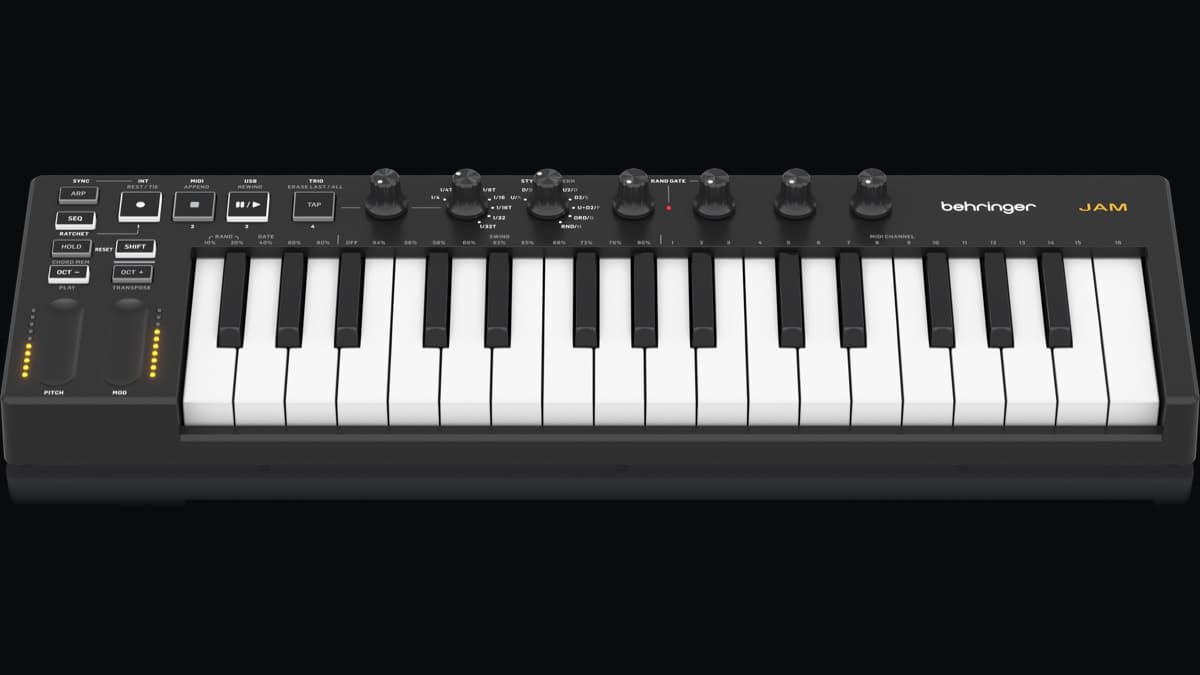
Behringer has launched JAM, a compact 32-key USB MIDI controller with a 64-step polyphonic sequencer, chord and arpeggiator modes, and analog CV/Gate plus Sync on the back. It's pitched straight at the compact controller-sequencer tier that Arturia's KeyStep made popular, and it does so at a budget price, around £89 at UK retailers. This is a first look based on Behringer's official product page and current retailer listings, not a hands-on review.
At a glance: JAM has 32 velocity and aftertouch sensitive keys, pitch and modulation touch strips, and four assignable controls. The built-in sequencer runs 64 steps with 8-note polyphony, and handles rests, ties, legato, ratchets, and random gates from front-panel Record, Play, and Stop buttons. Chord Play stacks up to 16-note chords, and the arpeggiator plays up to 8 notes per step across 8 styles. On the back are CV/Gate and Sync connectors for analog and modular gear, with four selectable sync sources, plus MIDI Out, a sustain pedal input, and class-compliant USB. It runs on USB or an optional DC supply. A separate JAM PLAY model adds its own sound engine and a display, and works standalone. Behringer lists no price on the product page; UK retailers show JAM at around £89.
What JAM is
JAM belongs to a category that has quietly become one of the most useful on a modern desk: the compact keyboard that is also a standalone sequencer and a hub for analog gear. The template is Arturia's KeyStep, a slim keyboard with a step sequencer, an arpeggiator, and CV/Gate outputs so it can drive a hardware synth or a modular rack with no computer in the signal path. JAM copies that brief closely and undercuts it on price.
The appeal of this kind of box is that it sits in the middle of a hybrid setup. Plugged into a computer over USB, it's a 32-key MIDI controller for your DAW and soft synths. Unplugged from the computer and wired to a synth's CV and Gate inputs, it becomes a sequencer and keyboard for hardware, clocked to the rest of your gear through its Sync connectors. One cheap device covers a lot of ground, which is exactly why the category sells.
Behringer has been here before. JAM is the clear descendant of the SWING, the company's earlier 32-key controller-sequencer, and it carries the same core specification forward while refreshing the control layout. The important new wrinkle is the sibling model, JAM PLAY, which adds an onboard sound engine and a screen so it can make noise on its own. The plain JAM, the subject of this piece, has no sounds of its own: it's a controller and sequencer that drives other instruments.
Keys and performance controls
The keybed is 32 slim keys, and crucially they respond to both velocity and aftertouch. Aftertouch on a controller this small and this cheap is the headline, because channel pressure is the expressive layer that most budget keyboards drop to hit a price. With it, you can push into a held note to open a filter or swell a vibrato, which turns a static pad into something that moves under your fingers.
Above the keys sit two touch strips for pitch and modulation. Strips rather than wheels keep the chassis thin and the cost down, and they return to center cleanly, which suits the fast, gestural playing this kind of board invites. Four assignable multi-purpose controls round out the surface, and these are the knobs you map to a soft synth's macros or a hardware synth's MIDI parameters so the most important moves are under hardware control.
The sequencer, Chord Play, and arpeggiator
The sequencer is where JAM earns its keep. It records 64 steps with 8-note polyphony, so this is a chord-capable sequencer, not just a monophonic line tool. You can enter notes as you play or step by step, and the sequencer understands musical detail that cheaper step tools skip: rests to leave gaps, ties to hold notes across steps, and legato for smooth, overlapping phrasing. Record, Play, and Stop live on the front panel, so you drive the whole thing by hand without diving into a menu.
Two features push it past a plain step sequencer. Ratchets retrigger a step several times within its slot, the stutter and roll effect that gives programmed drums and basslines their energy. Random gate adds controlled randomness to whether and how a step fires, so a static loop shifts across repeats instead of looping the same way every time. Those two together are the difference between a sequence that sounds programmed and one that sounds alive.
Chord Play stacks up to 16 notes under a single key, so one finger triggers a full voicing and you can play progressions you could never finger live. The arpeggiator then takes held notes and plays them out at up to 8 notes per step, across 8 selectable styles, from simple up and down patterns to more complex orderings. Feed it a Chord Play voicing and the two combine into dense, evolving patterns from a single key press. That's a lot of music from a very small box.
CV, Gate, and Sync for hardware
The back panel is what separates a controller from a hub. JAM carries CV/Gate and Sync connectors so it can drive analog synths, modular systems, and drum machines directly, with no MIDI-to-CV converter in between. That means the keyboard and its sequencer can play a vintage mono synth or a Eurorack voice, sending pitch as control voltage and note triggers as gate signals.
Sync is handled with four selectable sources, chosen from the front panel, so JAM can lead the clock or follow another device, and keep a hardware rig locked together. Alongside the analog connectors there's a standard MIDI Out for synths and sound modules, a sustain pedal input, and class-compliant USB. That last part means no drivers on a computer: plug it in and it shows up as a MIDI device. Power comes from USB or an optional DC supply for standalone use away from a computer.
Behringer JAM specifications
| Spec | Detail |
|---|---|
| Type | Compact USB MIDI controller keyboard and sequencer |
| Keys | 32, velocity and aftertouch sensitive |
| Performance controls | Pitch and modulation touch strips, four assignable controls |
| Sequencer | 64 steps, 8-note polyphony, rests, ties, legato, ratchets, random gate |
| Transport | Front-panel Record, Play, Stop |
| Chord Play | Chords of up to 16 notes |
| Arpeggiator | Up to 8 notes per step, 8 selectable styles |
| Analog I/O | CV/Gate and Sync connectors, four selectable sync sources |
| MIDI and connectivity | MIDI Out, sustain pedal input, class-compliant USB |
| Power | USB or optional DC supply |
| Sound engine | None (the JAM PLAY model adds onboard sounds and a display) |
| Price | Around £89 at UK retailers; Behringer lists no MSRP on the product page |
Behringer JAM vs Arturia KeyStep 37 mk2
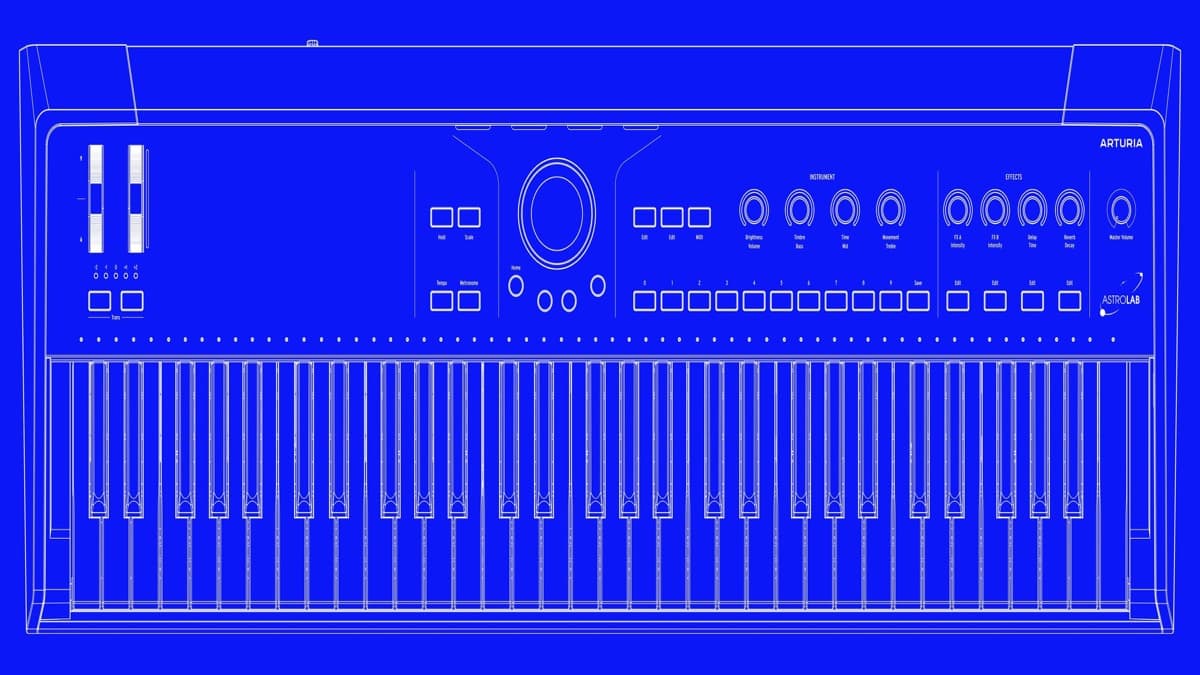
The reference point is Arturia's keyboard, and our KeyStep 37 mk2 review scored it 8.8 as the most capable compact controller-sequencer at its price. That price is the catch: the KeyStep 37 mk2 is $229, with street prices near $199, while JAM lands around £89. The two are built for the same job and sit at very different points.
| Behringer JAM | Arturia KeyStep 37 mk2 | |
|---|---|---|
| Keys | 32, velocity and aftertouch | 37, velocity and aftertouch |
| Screen | None | OLED display |
| Encoders | Four assignable controls | Four encoders plus the screen for deep editing |
| Sequencer | 64 steps, 8-note polyphony | Polyphonic 64-step sequencer |
| Arpeggiator | Up to 8 notes per step, 8 styles | 16-mode arpeggiator, chord and scale modes |
| Analog outputs | CV/Gate and Sync | Four assignable CV/Gate outputs plus MIDI DIN and sync |
| Price | Around £89 | $229, street near $199 |
The KeyStep 37 mk2 wins on depth. A screen and four encoders make its deeper features visible and fast to edit, and it adds five more keys, scale modes, and four CV/Gate outputs for driving several voices at once. JAM wins on price and on getting the essentials right, including aftertouch, a polyphonic sequencer, Chord Play, and CV/Gate with Sync, for well under half the money. If you want a creative hub you'll program for hours, the KeyStep earns its premium. JAM covers the other case: a capable second keyboard, a sketchpad sequencer, or a cheap way to add CV sequencing to a hardware rig. For the wider field, our best MIDI keyboards of 2026 guide ranks the options.
Who JAM is for
JAM suits producers building a hybrid setup on a budget, anyone who wants a compact second controller for the DAW, and hardware players who need a cheap keyboard and sequencer with real CV/Gate and Sync. The aftertouch and the polyphonic, chord-capable sequencer make it more expressive than its price suggests, and the standalone power option means it can live on a hardware desk with no computer attached.
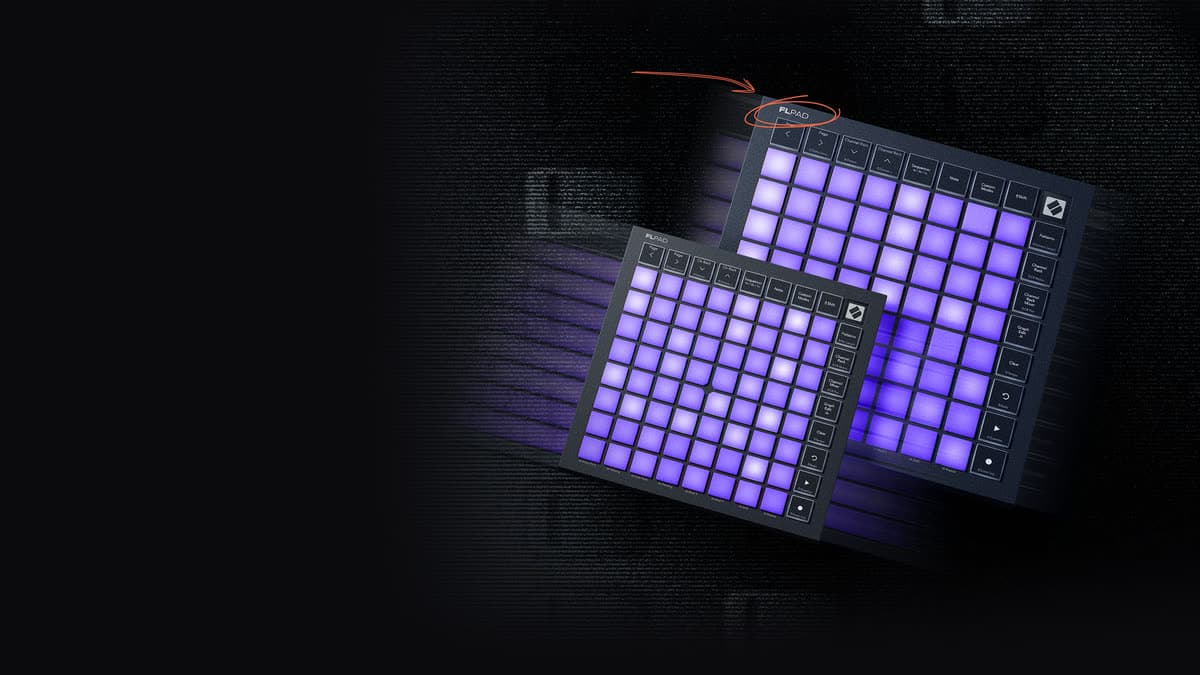
Skip the plain JAM if you want sounds in the box, and look at JAM PLAY instead, which adds an engine and a display. It also won't suit you if you need the deeper editing, scale modes, extra keys, and multiple CV outputs of a KeyStep 37 mk2, or the DAW-specific grid workflow of something like the Novation FLpad for FL Studio. JAM is deliberately a core feature set at a low price, not a flagship.
Price and availability
Behringer doesn't list a price on the JAM product page, which is normal for the company. The real number comes from retailers. UK listings put JAM at around £89, in stock. Thomann is our affiliate buy route for it, and the full specification lives on the official Behringer JAM page. Prices and stock move often with hardware, so check the retailer before you buy.
The JAM PLAY model sits above the plain JAM. It adds its own sound generation and a display, runs standalone, and has a sequencer that differs from the controller-only JAM. If you want a self-contained groovebox-style keyboard rather than a controller, that is the one to compare, though it costs more.
FAQ
How much is the Behringer JAM?
Behringer lists no price on the product page. UK retailers show JAM at around £89, in stock. Prices vary by region and change often, so check a retailer such as Thomann before buying.
Does the Behringer JAM make its own sounds?
No. The plain JAM is a controller and sequencer with no onboard sound engine, so it drives other synths and soft synths. The separate JAM PLAY model adds its own sounds and a display and can run standalone.
Can JAM control analog synths and modular gear?
Yes. JAM has CV/Gate and Sync connectors, so it can sequence and play analog synths, drum machines, and modular systems directly, with four selectable sync sources. It also has a standard MIDI Out and class-compliant USB.
Behringer JAM vs Arturia KeyStep 37 mk2?
The KeyStep 37 mk2 is deeper, with an OLED screen, four encoders, 37 keys, scale modes, and four CV/Gate outputs, at $229. JAM covers the essentials, including aftertouch, a 64-step polyphonic sequencer, Chord Play, and CV/Gate with Sync, at around £89. Pick the KeyStep for a creative hub and JAM for a capable budget controller-sequencer.
Does JAM have aftertouch?
Yes. Its 32 keys respond to both velocity and aftertouch, which is unusual at this price and adds an expressive layer that most budget controllers leave out.
JAM is a lot of controller and sequencer for the money. The 64-step polyphonic sequencer with ratchets and random gate, Chord Play, an 8-style arpeggiator, aftertouch keys, and real CV/Gate with Sync add up to a capable hybrid hub at a budget price. It won't out-spec a KeyStep 37 mk2, and it doesn't need to. At around £89 it's one of the cheapest ways to add expressive keys and CV sequencing to a studio. For more compact keyboards, start with our best MIDI keyboards of 2026 guide.