Some links on this page are affiliate links. If you buy through them, Dubspot may earn a commission at no extra cost to you. It never affects our scores or what we recommend — read our policy.
Scrap Brain WHORL Slices Any File on a 16-Step Grid
Scrap Brain Audio WHORL is a $39 intro microslice sequencer for VST3, AU, and standalone. Transient analysis, 16 steps, and a per-step FX matrix explained.
E
Elena Marsh
August 28, 2026 · 9 min read
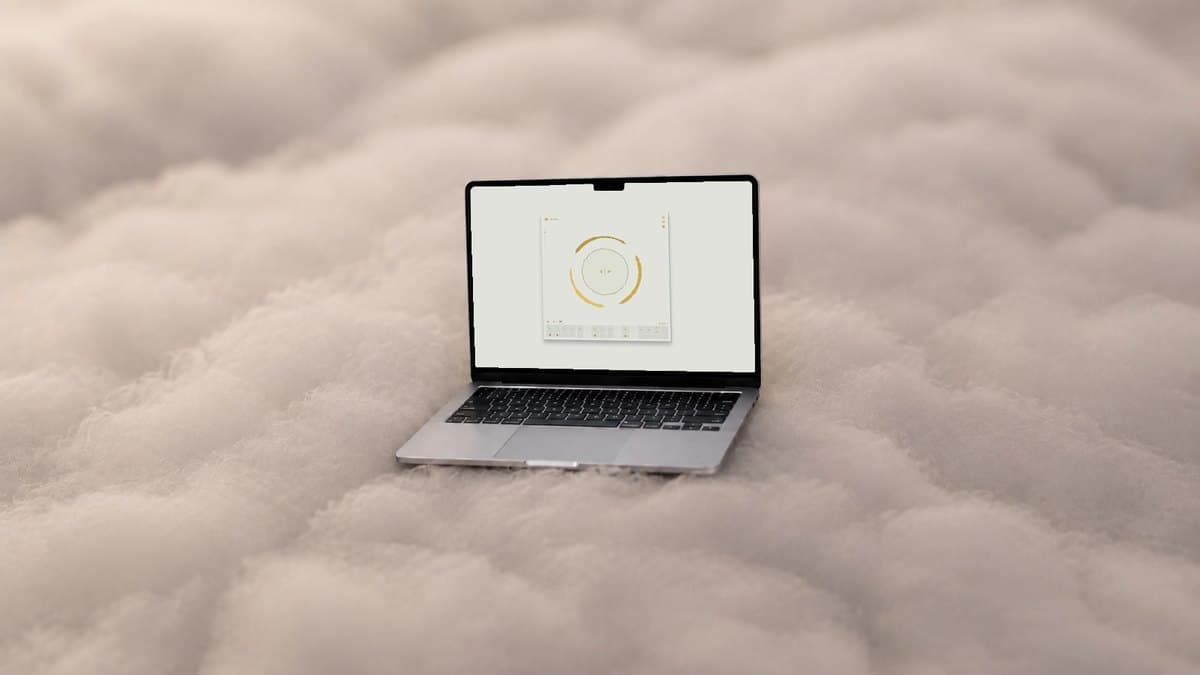
Scrap Brain Audio shipped WHORL, a microslice sequencer that turns any loaded file into attacks, bodies, and textures you can fire from a 16-step grid. The intro price is $39 through 15 September 2026, against a $99 regular, and checkout runs on Dodo Payments on the manufacturer site. This is a first look at the shipping feature set. We have not used it in a session.
At a glance: $39 intro through 15 September 2026, then $99. VST3, AU, and standalone, on Windows 10 64-bit or later and macOS 11 or later with Apple Silicon or Intel. About 50 MB on disk. Buy it from Scrap Brain Audio.
What WHORL is
Most slicers ask you to place transients by hand, then hope the grid still makes sense at a new tempo. WHORL starts from analysis instead. It reads transient intensity and spectral weight, then sorts the file into three buckets: punchy attacks, tonal bodies, and sustaining textures. Those slices land on a 16-step sequencer, and you either write the rhythm yourself or let a probability engine write it for you.
Scrap Brain Audio is a 2026 lab for experimental instruments, and WHORL is its slice box. The stated job is to kill decision fatigue and get a usable sequence out in seconds.
This isn't a full sampler workstation, and it isn't a drum machine with a factory kit either. You load a sound, WHORL carves it, and you sequence the pieces.
For a chance-first grid that fills cells from a folder, see Chopgrid. For a 32-step multi-effect that mangles audio already on the track, see Effectrix 2, and Turnado is the one-macro performance wrecker. WHORL sits closer to Chopgrid than to Turnado, because the file is the instrument and the grid is the performance.
How the microslice engine works
Load a file and the analyzer splits it three ways.
Attacks are the hits: kicks, picks, consonants, the front of a snare. These are the steps you want to feel.
Tonal bodies are the pitched middles, so think of a vocal vowel, a synth tail that still has a note, or a guitar bloom after the pick.
Sustaining textures are the leftover air, meaning pads, rooms, and noise floors, plus any part of the file that's neither a hit nor a note.
That three-way split is the product. A drum break becomes kicks on A, pitched crumbs on B, and hiss on C, while a vocal becomes consonants, vowels, and breath. A field recording turns into events, tones, and wash.
You can keep the classification and change which slice plays, which is what Random Slices does. The rhythm stays put while the source pieces move, and that's how you audition a folder without redrawing the pattern.
The 16-step sequencer
Sixteen steps, and each one can split to 1/32 subdivisions or hold with a sustain tie (>). Empty steps are either digital silence or a quiet ambient texture lifted from the source, and that second option matters more than it sounds. A rest that still leaks a little room sounds like a record rather than a gate.
Write the rhythm by hand when you know the groove you want. Reach for the probability engine when you want a pattern that isn't a straight 4/4 chop. Scrap Brain describes that engine as rewriting step mathematics and polyrhythmic placements, which makes it the "give me something" control.
The grid is the whole instrument here. There's no separate clip launcher and no piano-roll page, so a different feel means changing steps, ties, and which slice class lands on each hit.
Random Slices, Random Pattern, four memory slots
Two randomizers, two jobs.
Random Slices keeps the current rhythm and step placements, and reassigns which micro-slices play. Use it when the groove is right and the timbre is tired.
Random Pattern throws the rhythm away and comes back with new step math, new polyrhythms, and new per-step effects. Use it when the loop is boring as a loop.
Four hardware-style memory slots store pattern variations, and you recall them over MIDI in real time. That's the live argument: verse pattern, fill, breakdown, and the wrecked version, all on one instance. Four slots won't replace a clip grid, but it's enough for a section.
Treat the slots the way you'd treat an SP-404 bank. Save the one you'd play on stage, and keep a slot free for the randomizer to overwrite.
The step FX matrix
WHORL would rather you didn't reach for a second plugin to add movement, so each step can call an FX profile.
Three discrete sound profiles hold the chains, and the official palette covers distortion, delay, auto-pan, reverse, tape stop, and filter. You build three looks, then assign a look to a step. One hit can tape-stop, the next can reverse for half a bar, and the one after that can ping-pong.
That's the Effectrix-shaped idea at a smaller size, where the effect is part of the step instead of a rack you automate later. You aren't slicing the audio track in the DAW, you're triggering treated slices from the sequencer.
If you already live in ShaperBox 3, you can still do rhythmic FX on the printed loop. WHORL's pitch is that the slice and the FX are one object, and the source can be any file you drop in.
WHORL specifications
| Spec | Detail |
|---|---|
| Developer | Scrap Brain Audio |
| Type | Microslice sequencer |
| Analysis | Transient intensity and spectral weight into attacks, tonal bodies, sustaining textures |
| Sequencer | 16 steps, 1/32 subdivisions, sustain ties, silence or ambient rests |
| Random | Random Slices, Random Pattern, probability rhythm engine |
| Patterns | 4 MIDI-recallable slots |
| Step FX | Distortion, delay, auto-pan, reverse, tape stop, filter, in 3 profiles |
| Formats | VST3, AU, standalone |
| Windows | Windows 10 or later, 64-bit, any 64-bit multi-core CPU |
| macOS | macOS 11 Big Sur or later, Apple Silicon or Intel |
| Disk | About 50 MB |
| Auth | License key by email via Dodo Payments |
| Intro price | $39 through 15 September 2026 |
| Regular price | $99 |
| Buy | scrapbrainaudio.com/whorl.html |
WHORL vs Chopgrid vs Effectrix 2
| WHORL | Chopgrid | Effectrix 2 | Turnado | |
|---|---|---|---|---|
| Job | Analyze a file, sequence the slices | Chance-fill a 16-cell sampler | Step-sequence 14 effects on a track | Macro multi-FX wrecker |
| Street / list | $39 intro / $99 | $29 intro / $49 on our Chopgrid card | €129 on our Effectrix 2 card | €99 on our Turnado card |
| Formats | VST3, AU, standalone | VST3, AU, standalone | VST2, VST3, AU, AAX, standalone | VST3, AU, AAX |
| Grid | 16 steps | 16 cells | 32 steps | Dictator macro, not a slice grid |
| Best for | Turning one file into a rhythm instrument | Surprise kits from a folder | Glitch and transition FX on existing audio | Live one-knob mayhem |
Which to pick. WHORL earns its money when you have one interesting recording and you want a pattern out of it tonight. Chopgrid is the better buy when the fun is many files and chance. Go to Effectrix 2 when the audio is already on the track and you want a 32-step FX grid, or Turnado when you need one knob for a breakdown.
Portal is the granular cousin, built for textures and motion rather than a 16-step slice engine.
Who WHORL is for
Consider it if you sit on folders of one-shots, vocals, and field recordings and you want a sequencer that does the first chop for you.
Consider it if $39 is the price of a weekend instrument and you'd rather buy direct than wait on a retailer.
Consider it if you perform with a few MIDI-switched patterns and four slots covers the set.
Consider it if a 50 MB install with no iLok is the kind of plugin you'll actually keep.
Skip it if you need Pro Tools AAX, because WHORL is VST3, AU, and standalone.
Skip it if you want a factory drum library. There's no kit here, and the file you load is the kit.
Skip it if you already own Effectrix 2 and you only wanted step FX on a printed loop, since that job doesn't need a second slicer.
Skip it if you need deep sampling with mapping, round robins, a piano roll, and a 64-step clip launcher. This is a focused grid.
How much WHORL costs
$39 intro through 15 September 2026, then $99, direct from scrapbrainaudio.com/whorl.html. Payment runs through Dodo Payments, and the license key and download links land in your email after checkout.
The plugin card lives at /plugins/scrap-brain-whorl.
FAQ
Is WHORL a sampler or an effect?
It's a sequenced instrument. You load audio, WHORL slices it, and you trigger the slices from a 16-step grid. It isn't an insert that processes a live track the way Effectrix does.
WHORL vs Chopgrid?
Chopgrid fills 16 cells from random files and gives you synthesis engines. WHORL analyzes one file into attacks, bodies, and textures, then sequences those slices. Same-sized grid, different job.
Does WHORL run on Apple Silicon?
Yes. macOS 11 or later on Apple Silicon or Intel, and Windows 10 64-bit or later.
Is there an AAX build?
No. VST3, AU, and standalone.
How do I get the license?
Pay on scrapbrainaudio.com/whorl.html and Dodo Payments emails you the key and the download links.
The bottom line
WHORL is a 50 MB microslice sequencer that classifies a file and plays it back from 16 steps, with per-step FX and four MIDI-recallable slots. $39 intro through 15 September 2026, then $99. We have not scored it.
Drop in a vocal, a break, or a messy recording. If the A/B/C split plus Random Slices gets you a loop you'd keep, pay the intro. The storefront is scrapbrainaudio.com/whorl.html.