Some links on this page are affiliate links. If you buy through them, Dubspot may earn a commission at no extra cost to you. It never affects our scores or what we recommend — read our policy.
Alternative Woodwind Soloists: Four Rare Orchestral Voices
Alternative Woodwind Soloists from Fracture Sounds adds alto flute, bass flute, bass clarinet, and tenor recorder. Intro is $112, from $149, in Kontakt Player.
M
Marcus Feld
September 30, 2026 · 10 min read
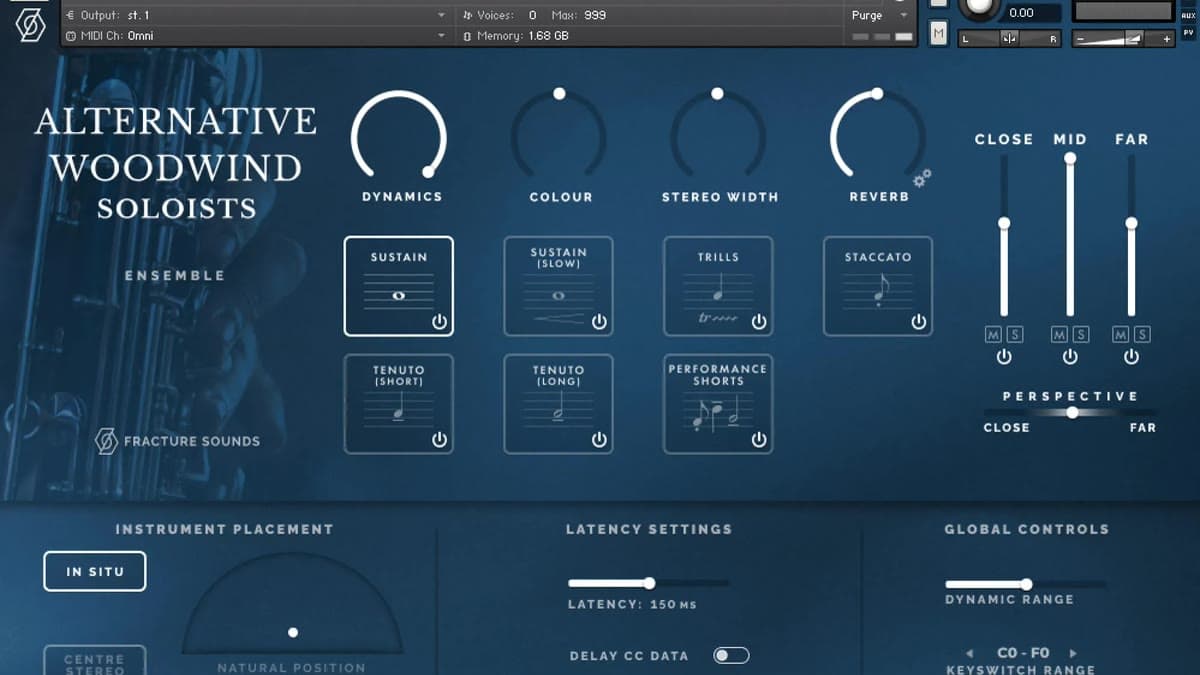
Fracture Sounds has released Alternative Woodwind Soloists, a Kontakt library of four woodwinds that full orchestras often leave out: alto flute, bass flute, bass clarinet, and tenor recorder. The store lists the current price at $112, from a $149 regular. It runs in the free Kontakt Player, version 7.6 or later, and it is NKS compatible. This is a first look at the shipping library and the specs Fracture publishes. We have not played these soloists in a session yet.
At a glance: $112 intro, $149 regular. Alto flute, bass flute, bass clarinet, tenor recorder. 31 articulations, including legato. Three microphone positions. Smart Legato and Smart Trills. An ensemble patch of all four. About 20.1 GB downloaded, compressed from a 42 GB sample pool. Kontakt Player 7.6 or later, via Native Access 2.
What Alternative Woodwind Soloists is
This is the sequel to Emotive Woodwind Soloists. Fracture's framing is simple. The earlier library covered the instruments at the centre of the woodwind family. This one extends the series with voices that show up less often and still carry a line: the agile alto flute, the bass flute, the bass clarinet, and the baroque tenor recorder.
The recordings were made at Nave Studios, alongside the rest of the Soloists series. The tone Fracture describes is breathy and organic, aimed at classical writing from baroque through romantic and neo-classical, and at hybrid scores that need a wind that does not sound like a standard flute section. If your template already has a concert flute and a B-flat clarinet, these four sit in the gaps.
The library is a sample instrument, not a model. You get recorded notes, recorded intervals, and recorded shorts, played back through Kontakt. That is the trade against a physical-modeling wind. The samples carry the room and the player. They also carry the disk size.
The four instruments, and the ensemble patch
Each soloist is its own instrument. Alto flute covers the brighter, more agile low flute. Bass flute sits further down, slower to speak, useful when a cue needs air under a string line. Bass clarinet is the dark single-reed voice, the one hybrid scores reach for when a bassoon would be too classical and a synth bass too clean. Tenor recorder is the odd one out: a baroque colour, softer and more direct than a modern flute, and rarely sampled as a soloist you can actually legato.
The ensemble patch stacks all four into one playable instrument. Fracture positions it for broad strokes and quick sketching. Write the line once, hear the quartet, then split to individual soloists when the arrangement needs one voice forward. That is the practical order for a media cue with a short deadline. Sketch on the ensemble. Promote the alto flute or the bass clarinet to its own track when the melody deserves it.
Smart Legato, Smart Trills, and the shorts
Smart Legato uses lookahead so interval transitions and same-note repeats can stay connected. The legato patch also has a momentary keyswitch for a slower attack and release, so a phrase can ease in without loading a second articulation. Sustain is the medium, emotive long note. Sustain Slow is the longer attack and release, and the green momentary keyswitch reaches it from the main Sustain and Legato patches.
Trills are performance-triggered. Hold two notes and the engine picks the interval: up to a major third on the alto flute, up to a major second on the other three. A single note, or an interval outside that range, falls back to a sustain. High velocity attacks immediately. Low velocity ramps in. Individual trill patches expose minor second and major second, and minor third and major third on the alto flute. Short trills add two burst types, minor second and major second.
The short family is staccato, tenuto short, and tenuto long. Staccato is the sharp attack, with dynamics on velocity. Tenuto short rounds the attack and lengthens the decay. Tenuto long goes further. Performance Shorts puts all three in one patch: low velocity plays the shortest note, high velocity the longest, and dynamics move to CC1. Performance Short-Sustain splits the other way: staccato at low velocity, sustain at high velocity, again with dynamics on CC1. Swells are a slow crescendo and diminuendo. Release early and the swell shortens.
That is a composer's set, not a one-patch ROM. Thirty-one articulations is the count Fracture prints, legato included. The named set above is what you actually program: longs, trills, shorts, and the two performance patches that collapse several of them onto velocity.
Three mics, and where they sit in the hall
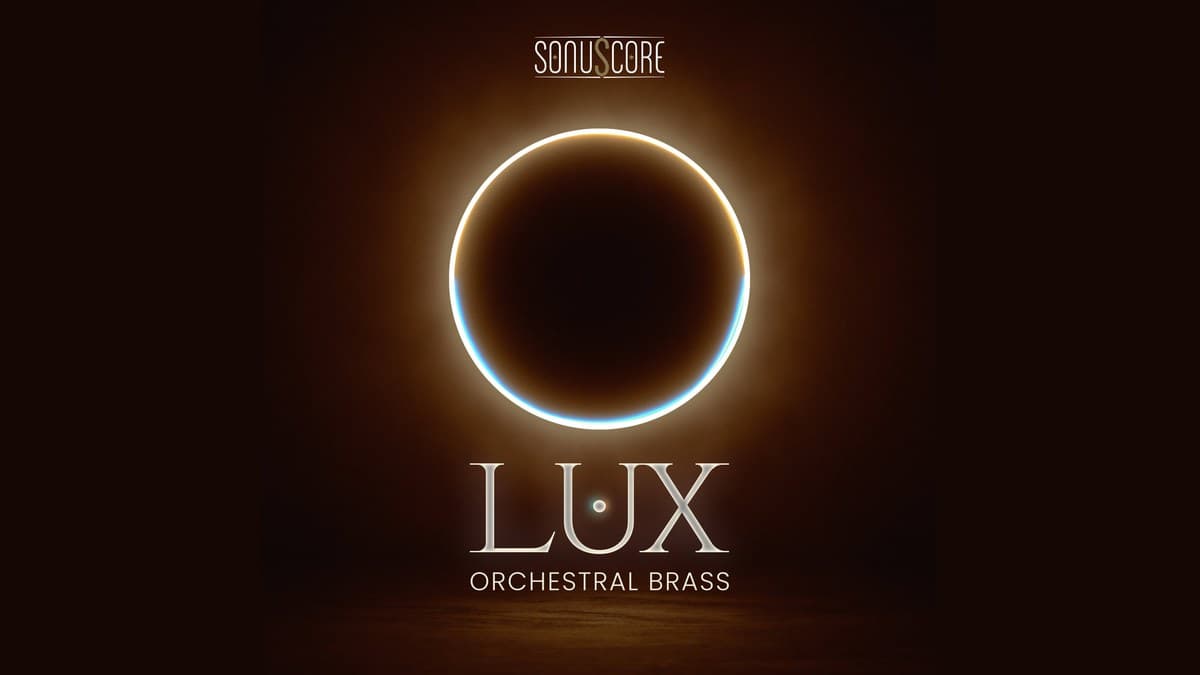
Close, mid, and far microphones are included. Close is the player. Far is the hall at Nave Studios. The mix between them is how intimate or how cinematic a line feels, before you touch a reverb insert. For brass recorded with a similar close-to-far choice plus bleed positions, see our Sonuscore LUX Orchestral Brass first look.
Instrument Placement is the other spatial tool. You can put any instrument from the five Soloists libraries into one of 15 seating positions in that hall, using In Situ, Custom Position, or Stereo Centre. A bass clarinet can sit in the chair it was recorded in, or you can move it to match a flute from another Fracture soloist library so the two share a stage. The placement tools work across the Soloists series. With only this library, the three placement modes still apply to these four players.
Alternative Woodwind Soloists specifications
| Spec | Detail |
|---|---|
| Price | $112 introductory, $149 regular |
| Instruments | Alto flute, bass flute, bass clarinet, tenor recorder, plus an ensemble patch |
| Articulations | 31, including legato |
| Legato | Smart Legato with lookahead, interval transitions, same-note repeats |
| Trills | Smart Trills. Major 3rd on alto flute, major 2nd on the others |
| Microphones | Close, mid, far |
| Placement | In Situ, Custom Position, Stereo Centre. 15 seats at Nave Studios |
| Download | 20.1 GB NCW, from a 42 GB sample pool |
| Player | Free Kontakt Player 7.6 or later |
| Delivery | Native Access 2 |
| NKS | Full NKS, including Komplete Kontrol hardware |
| System | 16 GB RAM recommended, 8-core processor, store on SSD |
How it compares
Three other orchestral paths already live on this site. They solve different problems.
| Alternative Woodwind Soloists | BBC Symphony Orchestra | PolySWAM | Instrument X | |
|---|---|---|---|---|
| Price | $112 intro / $149 | Free Discover, Core £399, Professional £899 | $279 / €279 preorder, $399 / €399 list | $99 and up per expansion, $649 for the 2026 complete set |
| What you get | Four extended solo winds, sampled | A full BBC orchestra, sections included | Polyphonic modeled winds, strings, and brass | Neural acoustic models, generated locally |
| These instruments | Alto flute, bass flute, bass clarinet, tenor recorder | Standard orchestral families, not this soloist set | No named sampled alto flute or tenor recorder | Woodwinds among the launch expansions, not these four as recorded soloists |
| Engine | Kontakt Player 7.6+ | Spitfire player | SWAM physical modeling | Dreamtonics host, free with any expansion |
| Size | 20.1 GB download | Discover about 240 MB, Professional about 630 GB | No sample library | About 160 MB per expansion |
| Best when | The line needs one of these four voices | The cue needs a coherent orchestra | You want modeled expression without samples | You want generated acoustics and a small install |
Use Alternative Woodwind Soloists when the arrangement already has flutes and clarinets and the missing colour is one of these four. Use BBC Symphony Orchestra when you need sections, a template that scales from the free Discover build to Professional, and you can live without a dedicated tenor recorder. Use PolySWAM when you want chords and modeled breath, and you do not need Nave Studios samples. The PolySWAM first look covers that preorder. Use Instrument X when a neural model and a small download matter more than a recorded player. The Instrument X first look has the expansion list.
Hollywood Orchestra Opus remains the large sampled orchestra, listed from $499 on its card, when the job is a full section template rather than four soloists.
Who it is for
It is for orchestral and hybrid composers who write exposed wind lines and keep hitting the same three instruments. Alto flute and bass clarinet show up constantly in film sketches. Bass flute and tenor recorder show up when someone goes looking. Having them in one Kontakt instance, with legato and trills already played, is the point of the library.
The ensemble patch is for the first pass. The individual soloists are for the line you will actually keep. NKS support matters if you write from a Komplete Kontrol keyboard, and Fracture also notes that the hardware display and knobs make the instrument usable for blind and visually impaired musicians.
Skip it if you need a full wind section, percussion, or strings. This is four soloists. Skip it if you do not want Kontakt in the template. The free player is enough, but it is still Kontakt, activated through Native Access. Skip it if disk space is already tight: 20.1 GB compressed, from a 42 GB pool, and Fracture recommends an SSD, 16 GB of RAM, and an 8-core CPU. Skip it if you wanted a modeled instrument you can reshape in real time. PolySWAM is that instrument. This one is recorded.
How much it costs
Fracture sells the library direct. Introductory pricing is $112, from $149.
Delivery is a direct download through Native Access 2. Kontakt Player is free. You do not buy a full Kontakt licence to open these instruments. The storefront is the Fracture Sounds page.
FAQ
How much does Alternative Woodwind Soloists cost?
The product page lists $112 as the current price and $149 as the regular price.
Does it need the full version of Kontakt?
No. It runs in the free Kontakt Player, version 7.6 or later. You download the player from Native Instruments and activate the library in Native Access 2.
Which instruments are included?
Alto flute, bass flute, bass clarinet, and tenor recorder, plus an ensemble patch that plays all four together.
What are the system requirements?
Fracture recommends 16 GB of RAM, an 8-core processor, and an SSD. The download is 20.1 GB, NCW-compressed from a 42 GB sample pool. NKS is supported.
How is this different from a full orchestra library?
BBCSO and Hollywood Orchestra are section libraries with a whole orchestra attached. This one is four solo winds those libraries usually skip, recorded at Nave Studios, with Smart Legato and Smart Trills. Use it beside an orchestra, not instead of one.
This is a first look, not a scored review. We have not written a cue with the bass flute or the tenor recorder. Watch Fracture's trailer, check the Kontakt Player version on your machine, and audition the four soloists before you rebuild a woodwind template around them.