Best Reverb Plugins in 2026: Free and Paid Picks for Every Mix
Best reverb plugins in 2026, free and paid. Compare Valhalla VintageVerb, FabFilter Pro-R 2, Eventide, Supermassive, and more by use case.

| Pick | Score | Price |
|---|---|---|
FabFilter Pro-R 2 | 9.5 | $199 → |
Valhalla VintageVerb | 9.5 | $50 → |
Valhalla Supermassive | 9.0 | Free → |
Valhalla Room | 9.0 | $50 → |
Valhalla FutureVerb | 8.5 | $50 → |
Eventide Blackhole | 9.0 | $99 → |
Eventide SP2016 | 8.5 | Check retailer → |
Reverb is the glue of a mix. It places sounds in space, adds depth, and turns a dry recording into something that breathes. Pick the wrong one, though, and your mix turns muddy fast. The good news in 2026 is simple. Great reverb has never been more accessible, and some of the best options cost nothing.
This guide breaks down the top reverb plugins this year. We cover free and paid tools, explain the two main reverb types, and give clear picks by use case. No hype. Just honest recommendations.
Quick Picks
Short on time? Here are our top calls.
- Best overall: FabFilter Pro-R 2 — the most flexible reverb for serious mixing.
- Best value: Valhalla VintageVerb — pro results for $50.
- Best free reverb: Valhalla Supermassive — genuinely free, genuinely good.
- Best for natural rooms: Valhalla Room.
- Best transparent reverb: Valhalla FutureVerb.
- Best for huge spaces: Eventide Blackhole.
- Best classic character: Eventide SP2016.
Algorithmic vs. Convolution Reverb
You will see two terms thrown around constantly. Understanding them helps you choose.
Algorithmic reverb builds space using math. It generates reflections and decay in real time through digital algorithms. This makes it flexible, easy to tweak, and great for creative sounds. Most plugins on this list are algorithmic.
Convolution reverb uses a recording of a real space, called an impulse response. It captures the exact acoustic fingerprint of a cathedral, studio, or hardware unit. The result sounds extremely realistic. The trade-off is less hands-on control over the decay itself.
Which is better? Neither. Algorithmic reverb wins for flexibility and character, while convolution wins for raw realism. Many producers keep both kinds in their toolkit. Notably, FabFilter Pro-R 2 now imports impulse responses, so it bridges both worlds in one plugin. The latest pass here is Leit Audio Places.
FabFilter Pro-R 2: The Best All-Rounder
FabFilter Pro-R 2 is our top pick for serious work. It offers three core algorithms covering realistic spaces, retro digital hardware, and vintage plates. The standout feature is the Decay Rate EQ. Instead of a clunky crossover system, you shape decay time across the frequency spectrum using parametric EQ bands. It feels intuitive and musical.
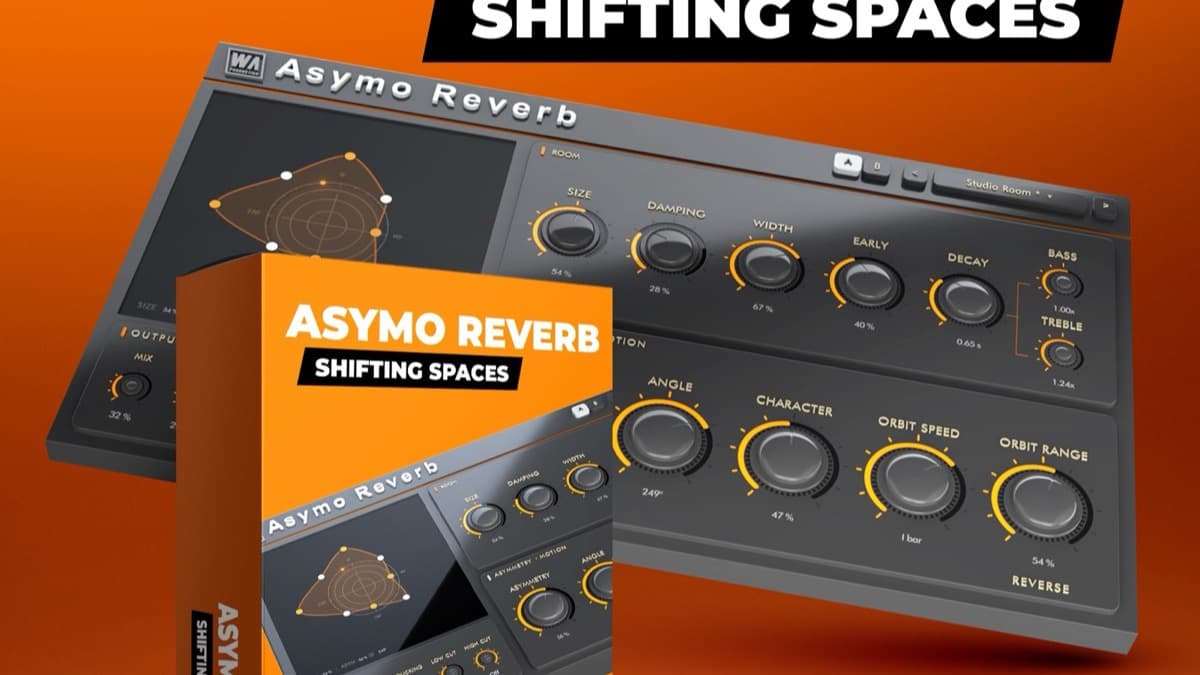
According to FabFilter, version 2 added several meaningful tools. You get IR import, which analyzes impulse response files and converts them to reverb settings. There is also a Ducking control to keep reverb out of the way, a Thickness knob for added density and saturation, and a Freeze button to hold a tail indefinitely. It supports full immersive audio with channel layouts up to 9.1.6 Dolby Atmos. A newer reverb in this lane is W.A. Production Asymo Reverb.
At $199, it costs more than the Valhalla options. But the interface and sound quality justify it for anyone mixing daily. If you buy one premium reverb, make it this one. You can find it at Plugin Boutique, or at Best Service.
The Valhalla DSP Lineup: Unbeatable Value
Valhalla DSP has quietly become a studio standard. Every paid plugin costs just $50, and the company adds new modes through free updates for years. That long-term support is rare, and it makes the lineup easy to recommend.
Valhalla VintageVerb
This is the one most producers reach for first. VintageVerb delivers 22 reverb modes inspired by classic 1970s and 1980s hardware. Modes range from lush halls and plates to gritty, characterful spaces. Three color settings (1970s, 1980s, and Now) let you dial in era-accurate flavor, from noisy vintage grit to clean modern tones.
It is fast to use and sounds expensive. For vocals, drums, and synths, it punches far above its price.
Valhalla Room
Room is the natural-sounding sibling. It uses twelve algorithms built for believable rooms, halls, and plates. The decay range is enormous, stretching from tight 0.1-second ambiences to vast 100-second washes. When you want reverb that sits convincingly behind a source without drawing attention, Room is the tool. We covered the current release in Leit Audio Places.
Valhalla FutureVerb
FutureVerb is Valhalla's most transparent reverb, the product of eight years of development. It combines eight reverb modes with twelve echo modes in one plugin. The reverbs aim for clarity and realism rather than heavy coloration. Four color profiles, from Bright to Studio, let you push it vintage when you want. If you find older algorithmic reverbs too colored, this is the modern answer.
Eventide: Creative and Classic
Eventide describes the original SP2016 as the first programmable effects box on the market, released in 1982. That heritage shows across the company's reverb plugins.
Blackhole
Blackhole creates virtual spaces that could never exist in reality, in Eventide's own words. The signature Gravity control reverses the arrow of time by inverting the decay. For ambient, cinematic, and sound design work, few reverbs go this big. It lists at $99 on the Eventide store, though sales are frequent, so check the current price at Plugin Boutique or Best Service.
SP2016
The SP2016 recreates Eventide's legendary 1980s reverb. It offers three algorithms (Room, Stereo Room, and Hi-Density Plate) each in Vintage and Modern flavors. The Vintage versions faithfully replicate the original hardware, including its lower bit depth, for that classic digital sheen. The Modern versions sound brighter and more diffuse. If you chase a specific retro studio sound, this delivers it. Eventide runs frequent sales, so check the current price at the official store, at Plugin Boutique, or at Best Service before buying.
Free Reverb That Holds Its Own
You do not need to spend a cent to get great reverb in 2026.
Valhalla Supermassive is the standout. It is completely free, with no strings attached. The plugin packs 22 reverb and delay modes built on feedback delay networks, with each delay reaching up to two seconds. It excels at lush ambient pads, washed-out textures, and creative effects. Recent versions added the Pleiades and Sirius modes, proving Valhalla still supports it.
Supermassive is not a subtle, natural room reverb. It is built for size and atmosphere. For that job, it competes directly with paid plugins.
How to Choose the Right Reverb
Match the tool to the task. For everyday mixing across many sources, a flexible reverb like Pro-R 2 or VintageVerb covers most needs. For believable acoustic spaces, reach for Valhalla Room or FutureVerb. For big, attention-grabbing tails, Blackhole and Supermassive shine. The 2026 note on this category is Leit Audio Places reverb.
Most producers run two or three reverbs in a session. A short room for cohesion, a plate for vocals, and a long tail for depth is a classic combination. Start there, then expand as your ear develops. To compare prices and demo more options, you can explore the full reverb category at Plugin Boutique. The current first look is ResoPlate.
FAQ
What is the best reverb plugin in 2026?
For most people, FabFilter Pro-R 2 is the best all-around reverb thanks to its flexible Decay Rate EQ and IR import. On a budget, Valhalla VintageVerb is hard to beat at $50.
What is the best free reverb plugin?
Valhalla Supermassive is the top free choice. It is genuinely free, regularly updated, and excellent for ambient and creative reverb.
Is algorithmic or convolution reverb better?
Neither is strictly better. Algorithmic reverb offers more flexibility and creative control. Convolution captures real spaces for maximum realism. FabFilter Pro-R 2 now does both, since it can import impulse responses.
How many reverb plugins do I need?
You can mix an entire track with one good reverb. Most producers use two or three: a short room, a plate or hall for vocals, and a long tail for ambience and depth.
Is FabFilter Pro-R 2 worth the price?
If you mix regularly, yes. At $199 it costs more than budget options, but the workflow, sound quality, and immersive audio support make it a long-term studio staple.