Best Drum Machines and Grooveboxes in 2026: A Buyer's Guide
Best drum machines and grooveboxes in 2026, compared by sound, use, and price: Roland TR-8S, Elektron Digitakt II, Akai MPC One+, and more.
| Pick | Score | Price |
|---|---|---|
Roland TR-8S Rhythm Performer | 9.0 | ~$699-799 → |
Elektron Digitakt II | 9.0 | ~$1,099 → |
Akai MPC One+ | 8.5 | ~$749 → |
Elektron Model:Cycles | 8.0 | ~$349 → |
Teenage Engineering EP-133 K.O. II | 8.0 | ~$329 → |
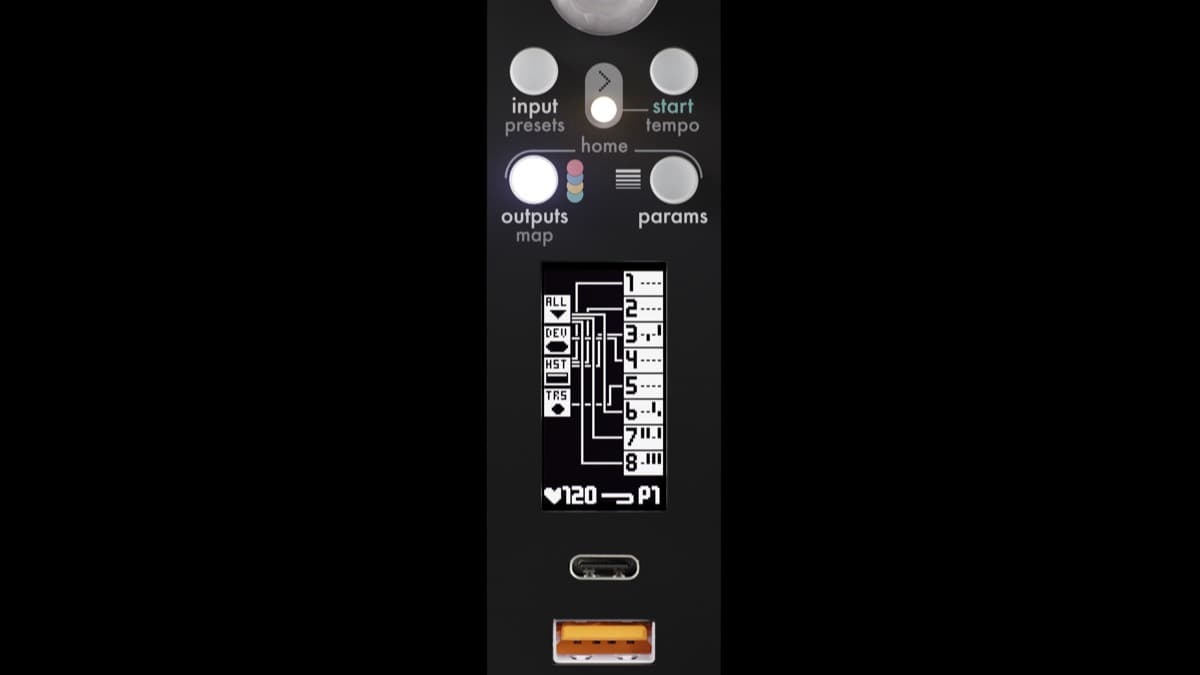
Choosing a drum machine in 2026 is harder than it used to be. The category has split. Some boxes chase the warmth of classic analog-modeled drums. Others are full sampling workstations that rival a laptop. A few sit comfortably in between. The current first look is Tapechild UDS-16.
This guide cuts through the noise. We cover five of the most relevant machines you can buy right now. First we explain the core split between sampling and synthesis. Then we give clear picks by use case. The goal is simple: help you buy the right box once, not the wrong box twice.
Quick Picks
Short on time? Here are our top recommendations by what you make and how you work.
- Best for techno and live jamming: Roland TR-8S. Hands-on, instant, and built for the stage.
- Best all-round sampler and sequencer: Elektron Digitakt II. Deep, stereo, and endlessly deep once it clicks.
- Best cheap way into Elektron: Elektron Model:Cycles. FM synthesis, six tracks, a tiny price.
- Best standalone studio in a box: Akai MPC One+. A full production center with no computer required.
- Best portable beat-sketching tool: Teenage Engineering EP-133 K.O. II. Pocketable, fast, and fun.
Sampling vs Synthesis: What's the Real Difference?
Before the picks, understand the core divide. It shapes how every machine sounds and feels.
Synthesis generates sound from scratch using oscillators and modeling. Roland's TR-8S uses ACB (Analog Circuit Behavior), a technique that models classic drum machines at the circuit level rather than playing back recordings. Elektron's Model:Cycles uses FM synthesis, which creates tones by modulating one signal with another. Synthesis boxes are tweakable in real time and never run out of variations. The trade-off is that they sound like themselves, not like whatever you record.
Sampling plays back audio recordings. You load or record a sound, then trigger and manipulate it. The Akai MPC One+, Elektron Digitakt II, and Teenage Engineering EP-133 all sample. This route gives you any sound imaginable, from a vinyl chop to a field recording. The catch is that great results depend on your source material and your editing skill.
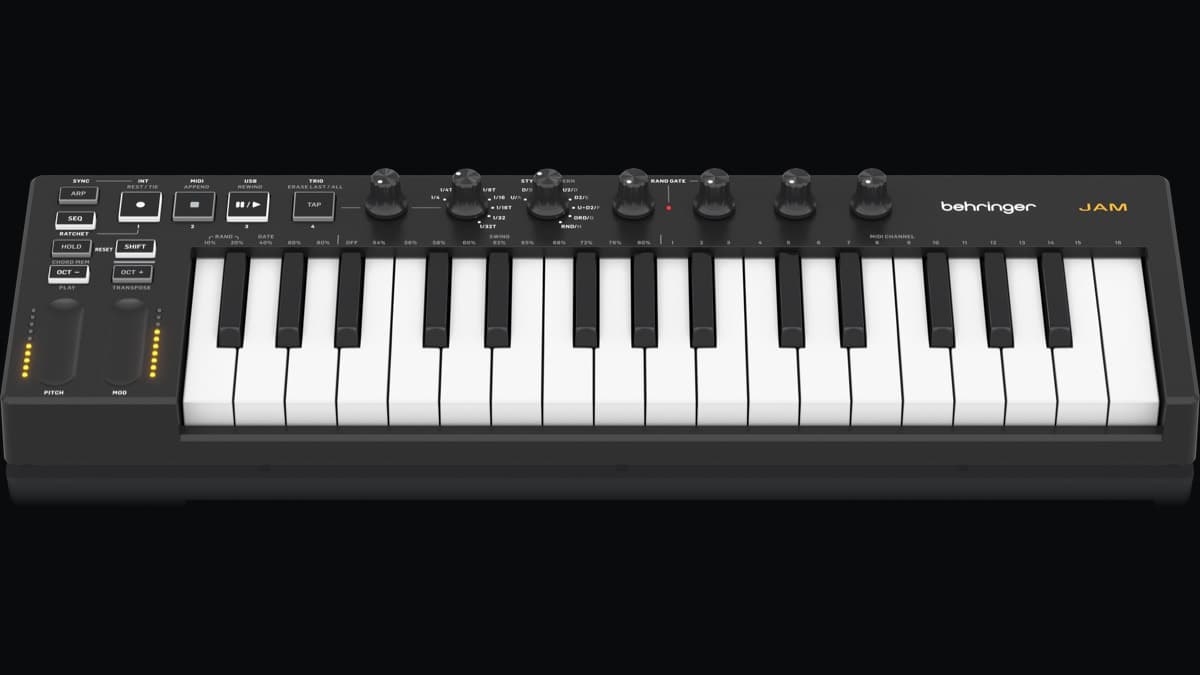
Many modern boxes blur the line. The TR-8S models analog drums but also imports your own samples via SD card. That hybrid approach is increasingly the norm. It is a big reason the category feels so crowded today. A newer drum machine in this lane is Gearmulator MD/MM.
The Contenders
Roland TR-8S Rhythm Performer
The TR-8S is the live performer's drum machine. It pairs Roland's circuit-level ACB models of the classic TR-808, TR-909, TR-707, TR-727, TR-606, and the CR-78 with sample import. So you can blend a modeled 909 kick with your own recorded snare. We covered the current release in Dirtywave M8 Tracker.
The workflow is immediate. Sixteen step buttons and a velocity-sensitive pad let you build grooves with accents, flams, and sub-steps. Each pattern holds eight variations (A to H) plus two fill-in patterns, which keeps live sets moving. Eight separate analog outputs make it studio-ready for multitrack recording.
The honest critique: the screen is small, and deeper editing can feel cramped. It is also not a melodic sampler. If you want to chop vocals or sequence basslines, look elsewhere. For drums and live energy, though, little else competes. Check the current price at Thomann. The current first look is Tapechild UDS-16.
Elektron Digitakt II
The Digitakt II is the all-rounder we recommend most often. The original Digitakt was mono and limited. The II fixes the big complaints. It now offers 16 tracks that each handle stereo sample playback or MIDI duties, plus a sequencer with up to 128 steps per pattern.
Sampling is generous. There is 400 MB of sample memory and a 20 GB +Drive, with roughly 30 minutes of stereo audio per project. Six source machines (Oneshot, Werp, Stretch, Repitch, Slice, and Grid) cover everything from one-shots to time-stretched textures. Per-track filters, LFOs, and effects round it out.
The trade-off is the famous Elektron learning curve. Parameter locks, trig conditions, and conditional sequencing are powerful but dense. Expect a few weeks before it feels natural. Once it clicks, it is genuinely hard to put down. At roughly 1,099 euros, it is also the priciest box here. Check the current price at Thomann.
Elektron Model:Cycles
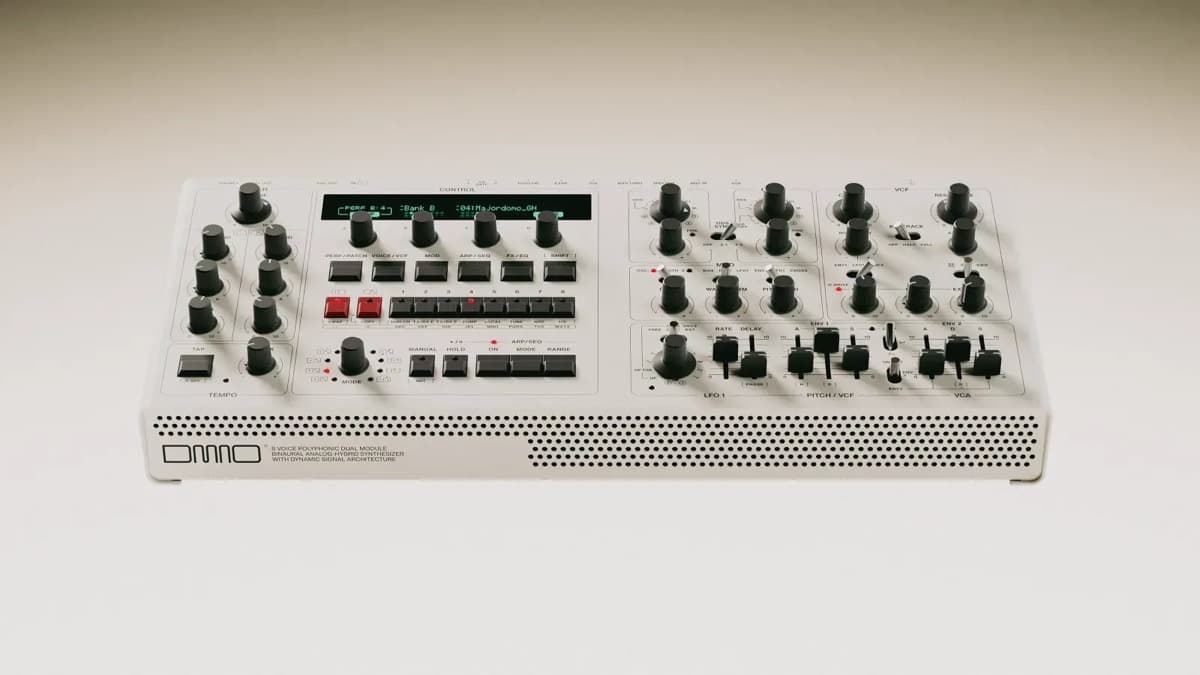
The Model:Cycles is the cheapest door into the Elektron world. It is a six-track FM-based groovebox built around machines tuned for specific roles, including Kick, Snare, Metal, Perc, Tone, and Chord. The 2026 note on this category is Polyend Loop drum machine.
FM synthesis sounds metallic, glassy, and percussive in ways samples rarely match. Each track gets its own sequencer with parameter locks, trig conditions, and an assignable LFO. Onboard delay and reverb add polish. It is small, light, and easy to carry to a session.
It is not a sampler, so there is no audio import. The interface is also menu-driven and takes patience. But for the price, the sound-design ceiling is remarkably high. Many producers find it the best value Elektron makes. Check the current price at Thomann.
Akai MPC One+
The MPC One+ is a complete standalone studio. No computer needed. It samples, sequences, hosts plugin instruments, and runs effects, all from a 7-inch multi-touch screen and the legendary MPC pads. Under the hood sit a quad-core processor, 2 GB of RAM, and 16 GB of internal storage, plus Wi-Fi and Bluetooth.
This is the box for finished tracks. You can build a full arrangement, mix it, and export, all in one place. New units also include a voucher for one plugin instrument from the MPC store. For studio use without a laptop, the One+ is hard to beat at the price.
The downside is depth. The MPC ecosystem is vast, and beginners can feel lost at first. It is less about instant jamming and more about deliberate production. If you want a self-contained beat-making computer, this is it. Check the current price at Thomann.
Teenage Engineering EP-133 K.O. II
The EP-133 K.O. II is the fun one. It is a pocketable sampler, sequencer, and groovebox descended from the cult PO-33. A reworked sequencer, pressure-sensitive Punch-in FX 2.0, and a built-in microphone make sampling fast and tactile. The latest pass here is Twisted Electrons VBLASTBEATS.
The specs are deceptively deep for the size. There is 128 MB of memory, 999 sample slots, and 12 pressure- and velocity-sensitive pads. Six send effects and a master compressor handle polish, and it runs on batteries or USB-C. The official price is $329.
It will not replace an MPC for serious production. The format trades screen real estate for portability, so editing precision suffers. But as a sketchpad and idea generator, it is genuinely inspiring. Check the current price at Thomann.
How to Choose
Match the machine to your workflow, not the hype. Ask yourself three questions.
First, do you perform live or produce in a studio? Live players gravitate to the TR-8S. Studio producers lean toward the MPC One+.
Second, do you want to sample your own sounds or sculpt synthesized ones? Samplers like the Digitakt II and EP-133 give endless source flexibility. Synthesis boxes like the Model:Cycles offer instant, evolving tones with no source material required.
Third, how much depth can you stomach? Elektron rewards patience. Teenage Engineering rewards spontaneity. Akai rewards commitment to a full ecosystem.
There is no single best drum machine in 2026. There is only the best one for how you actually work. If you also want to round out your library with fresh sounds, sample-pack libraries from Loopmasters and the subscription catalog at Loopcloud pair well with any sampler on this list.
FAQ
What is the best drum machine for beginners in 2026?
For pure ease, the Teenage Engineering EP-133 K.O. II is approachable and fun. If you want a deeper tool that still finishes tracks, the Akai MPC One+ is forgiving thanks to its touchscreen and visual workflow.
Is sampling or synthesis better for making drums?
Neither is better; they suit different goals. Sampling gives you any sound you can record or load. Synthesis gives you tweakable, never-repeating tones. Hybrid machines like the Roland TR-8S let you use both.
Do I need a computer to use these drum machines?
No. All five machines here run fully standalone. The Akai MPC One+ goes furthest, functioning as a complete production center without any computer.
Is the Elektron Digitakt II worth it over the original Digitakt?
For most buyers, yes. The Digitakt II adds stereo sampling, 16 tracks, a longer sequencer, and far more memory. The original remains capable, but the II addresses its biggest limitations.
Which drum machine is best for live performance?
The Roland TR-8S is purpose-built for the stage. Its instant step sequencing, performance pad, eight pattern variations, fills, and eight analog outputs make it a reliable centerpiece for live sets.